Sarajevo During Ramadan
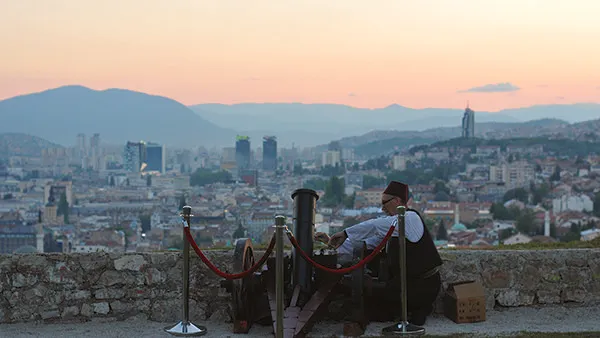
Known as the Jerusalem of Europe, Sarajevo is a city where religions and cultures have lived side by side for centuries. During Ramadan, its historic Ottoman quarter, Baščaršija, takes on an especially memorable atmosphere.
Days are quiet, but as sunset approaches, streets fill with the scent of fresh somun, tables are prepared for iftar, and families and friends gather across the Old Town. After dark, Sarajevo becomes lively and welcoming well into the night.
About Ramadan
Ramadan is the holy month in which Muslims fast each day from dawn until sunset. The pre-dawn meal is called sehur, while iftar is the meal that breaks the fast at sunset. Fasting is a time for gratitude, patience, generosity, and reflection.
In Sarajevo, Ramadan is also deeply social. Food and drinks are shared after sunset, and people of different beliefs are often invited to eat and spend time together. Visitors can experience these traditions respectfully throughout the Old Town.
Breaking the Fast at Sunset
One of the most atmospheric places to welcome iftar is the Yellow Fortress, or Žuta Tabija. Perched on the hill above Baščaršija, the fortress is an easy walk from the Old Town and offers a panoramic view across Sarajevo.
Just before sunset, people gather with food and drinks. A cannon is fired to announce that the fast has ended, its sound carrying across the city. As everyone begins to eat, lights appear on the mosque minarets and dusk slowly settles over Sarajevo.
You can bring food from Baščaršija or enjoy iftar in a nearby restaurant. Traditional choices include ćevapi from Hodžić, Ferhatović, or Mrkva; burek from Buregdžinica Bosna; and cooked Bosnian dishes from Aščinica ASDŽ, Dženita, or Inat Kuća. Opening hours can change during Ramadan, so check before visiting.
Somun and Traditional Ramadan Meals
Somun is a round, soft flatbread with roots in Ottoman cuisine. It is served throughout the year with ćevapi, but during Ramadan it becomes an essential part of the iftar table.
In traditional Baščaršija bakeries, somun is shaped by hand and baked quickly in a wood-fired oven. Bakeries such as Poričanin, Alifakovac, and Aiša are known for this long-standing craft, and the queues before iftar are part of the experience.
Somun is especially good with topa, a warm Ramadan dish made with kajmak, eggs, cheese, and butter. Tear off a piece of bread, dip it into the rich mixture, and enjoy it as the opening course of iftar.
Another favorite is Begova čorba, a creamy chicken and vegetable soup. For dessert, try Bosnian baklava. Baklava Dućan, beside Gazi Husrev-beg Mosque, is known for Žandar baklava, a family recipe said to be more than 200 years old.
Between Iftar and Sehur
The hours between iftar and sehur reveal another side of Sarajevo. Baščaršija fills with people meeting friends, walking through its narrow streets, shopping, and lingering in cafés. Some businesses stay open late, and the Old Town can feel more alive at midnight than it did during the day.
Historic gathering places such as Morića Han and the cafés around the Old Town are ideal for slowing down and enjoying the evening atmosphere.
Bosnian Coffee and the Art of Conversation
Bosnian coffee, or bosanska kahva, is more than a drink. It is an invitation to sit, talk, and take your time. Friends and families may spend hours around a small coffee table, and conversations with strangers are not unusual.
The coffee is unfiltered and served strong in a small cup, usually with a sugar cube. Traditionally, you dip the edge of the cube into the coffee, take a small bite, and then sip. Stirring the sugar into the cup also stirs up the fine grounds settled at the bottom.
For a memorable souvenir, visit Kazandžiluk, Sarajevo’s coppersmith street, where artisans sell handmade coffee sets and the traditional copper pot called a džezva. Nearby, Šeher coffee shop offers freshly prepared Bosnian coffee and a glimpse of traditional production methods.
Gazi Husrev-beg Mosque
The center of Ramadan activity is Baščaršija, and its spiritual heart is Gazi Husrev-beg Mosque. Built in 1531, it is the largest historic mosque in the Old Town and one of Sarajevo’s finest examples of Ottoman architecture.
Gazi Husrev-beg shaped much more than the mosque. His endowment supported education, water infrastructure, a library, caravanserais, public facilities, the clock tower, Morića Han, and the covered bazaar known as Gazi Husrev-beg’s Bezistan.
The mosque remains an active place of worship. Visitors are welcome outside prayer times, but should dress modestly, speak quietly, and follow any guidance at the entrance, especially during Ramadan.
Should You Visit Sarajevo During Ramadan?
Yes. Restaurants continue to serve visitors during the day, while the evenings offer a rare opportunity to experience Sarajevo’s generosity, food, faith, and community traditions at their most vivid.
Be considerate of people who are fasting, ask before photographing worshippers, and allow extra time around sunset when bakeries and restaurants are busiest. Then find a place overlooking the city, listen for the cannon, and watch Sarajevo light up for the evening.